



Hargis House®
– Dive into a robust selection of ready-to-serve meats. Our Hargis House lineup features hard-working, bold flavors straight from the can along with complementary sauces and protein-packed snacks.
Vote for your faves!
What’s your favorite Hargis House® product?
Save A Lot Recipes.








Did You Know?

The process of canning food was invented in the early 1800s to preserve meat and meals for long journeys, helping change the way people stored and served food.
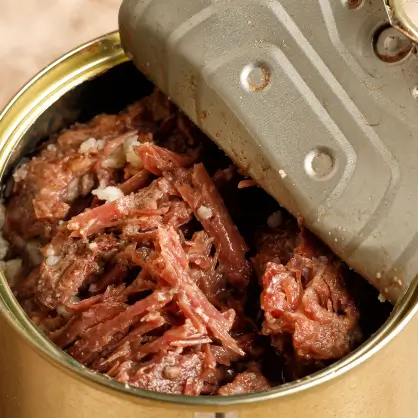
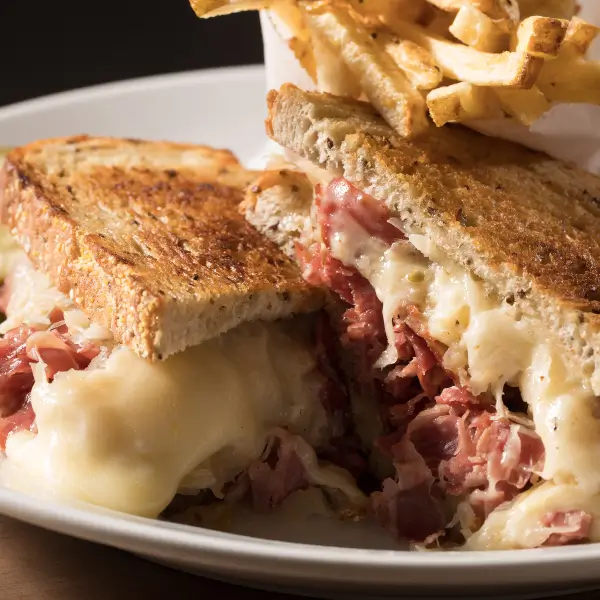
Canned meats were among the earliest foods preserved by canning, offering a reliable way to keep protein fresh without refrigeration.
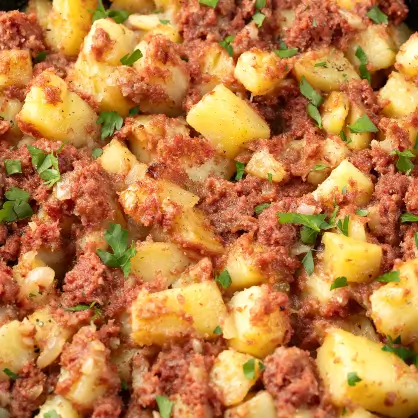
Corned beef hash began as a practical way to use leftover meat and potatoes, becoming especially popular during World War II when fresh meat was limited.

Chili was one of the first hearty meals to be canned, with early versions produced in the late 1800s to make this filling dish available year round.

Vienna sausages have been sold in cans since the early 1900s, prized for being fully cooked and ready to eat straight from the can.

The canning process involves heating food after sealing the container, which creates a vacuum that helps keep contents protected until opened.