


Tipton Grove®
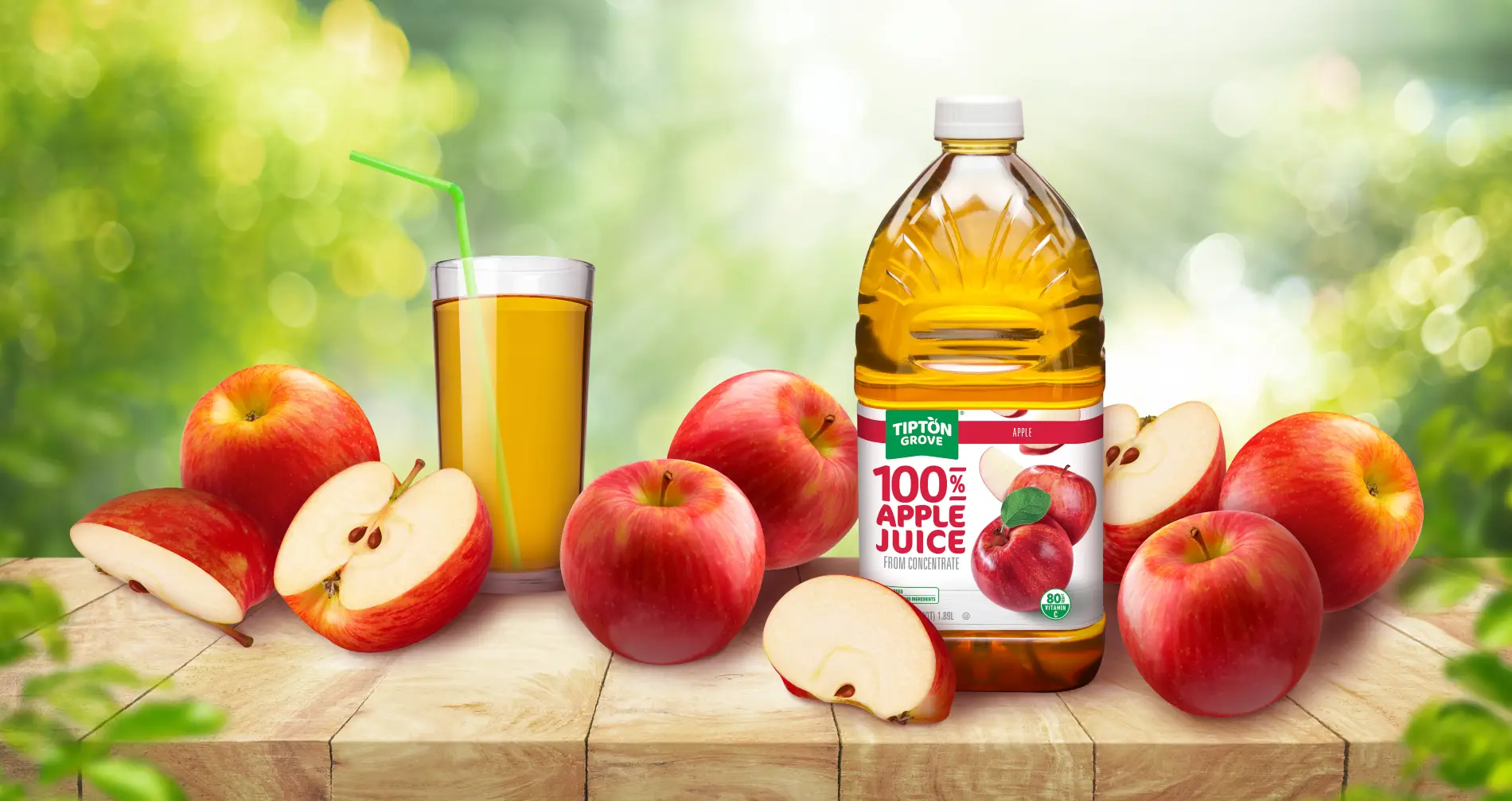
– Fruit-filled flavor shines in every sip—whether you’re pouring a classic juice or trying something with a refreshing twist. Tipton Grove is all about bright taste and easy enjoyment, glass after glass.
Vote for your faves!
What’s your favorite Tipton Grove® product?
Save A Lot Recipes.



Did You Know?

People have been enjoying fruit juice since ancient times, when early civilizations pressed fruits like pomegranates, figs, and grapes for refreshing drinks.
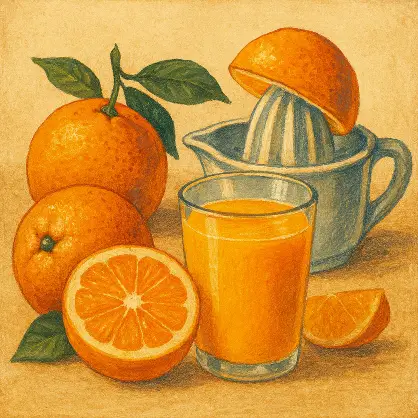
Orange juice didn’t become a breakfast favorite until the early 1900s, when people began squeezing oranges specifically to drink the juice, not just eat the fruit.
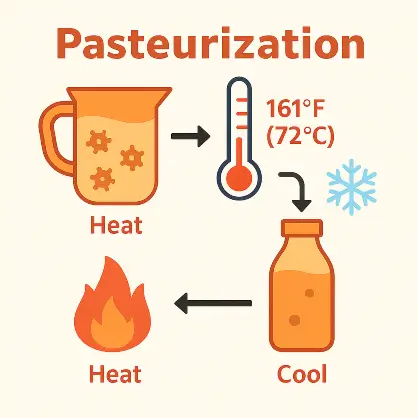
Pasteurization helped make juice an everyday staple by allowing it to stay fresh longer without fermenting — turning fresh fruit into a drink people could enjoy anytime.
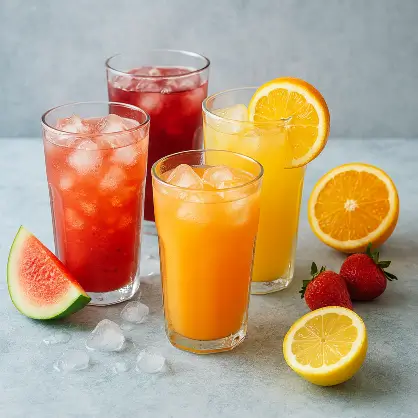
Iced fruit drinks and chilled juices became more popular as refrigeration became common, making cold, refreshing juice a year round treat.
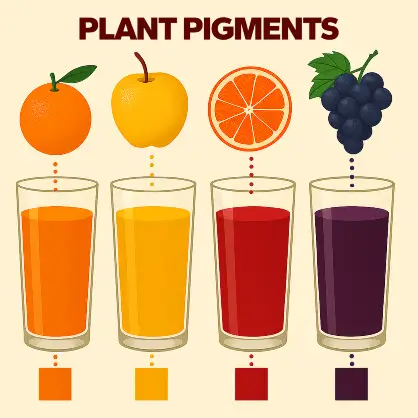
Different fruits naturally have different juice colors because of plant pigments, which is why juices can be bright orange, golden yellow, ruby red, or deep purple straight from the fruit itself.
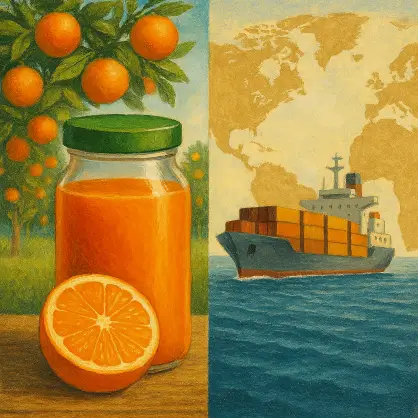
Juice concentrates were created to make fruit flavor easier to store and ship, helping juice become available far beyond where the fruit was grown.