


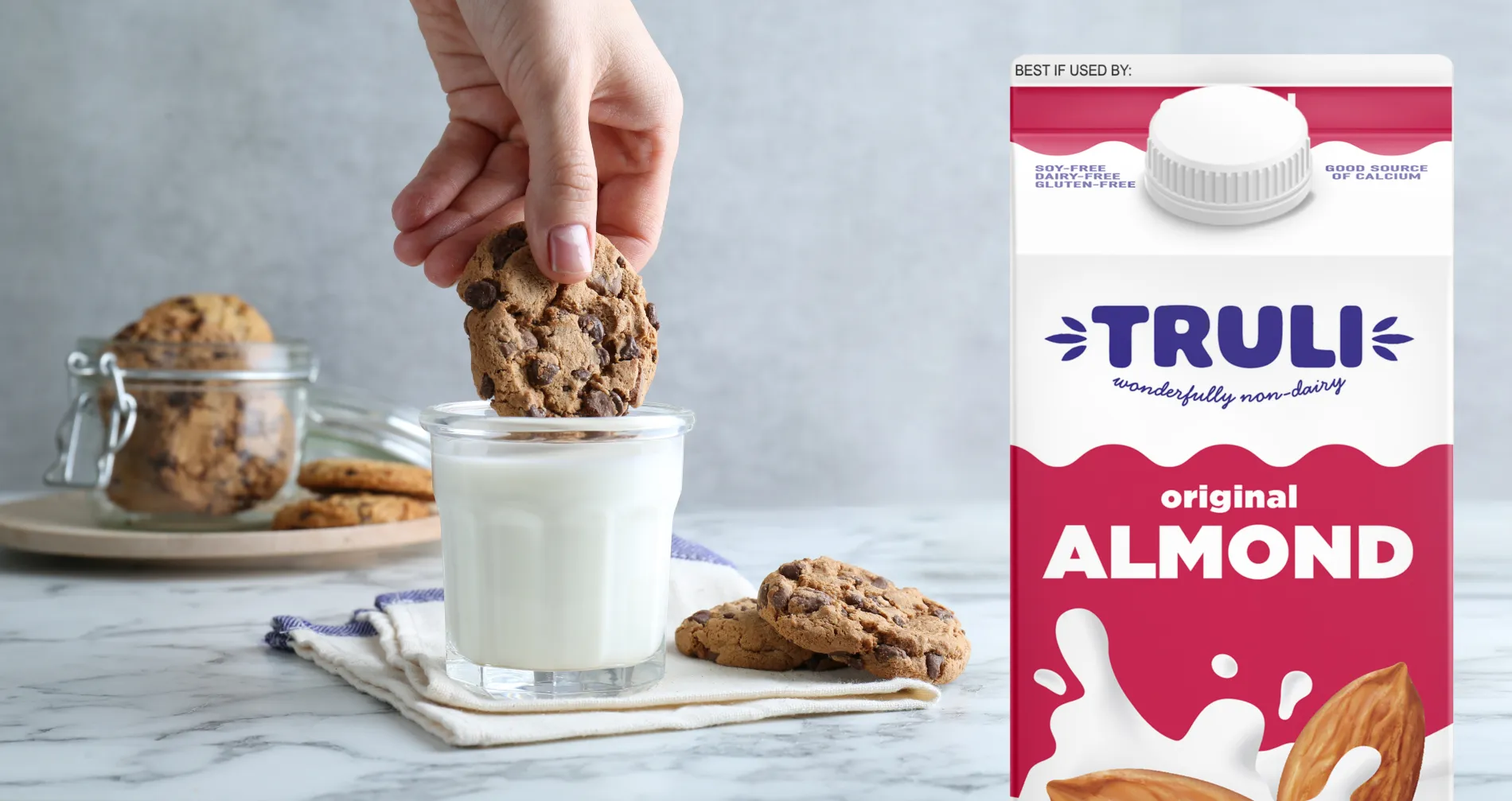

Truli
– Truli, the alternative dairy brand, is a story of honesty, purity, and goodness. Our almond milk and oat milk products tell a ‘better for you’ tale, delivering a pure and honest alternative to traditional dairy.
Vote for your faves!
What’s your favorite Truli product?
Save A Lot Recipes.


Did You Know?
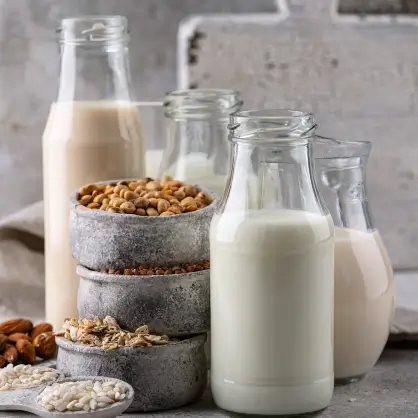
Plant-based milk alternatives span thousands of years of history—far longer than commercially produced cow’s milk.
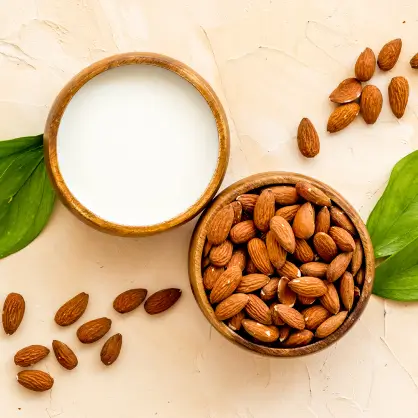
Almond milk was enjoyed in the Middle East as early as the 13th century and later became popular throughout Europe.

Long before refrigeration, almond milk was often preferred in cooking because it stayed fresh longer than dairy milk.

The word "milk" has been used to describe plant-based beverages for hundreds of years. Historical references to milk-like drinks made from plants date back to the Middle Ages.
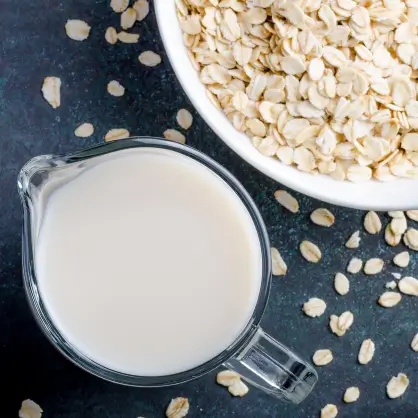
Oat milk is one of the newest members of the plant-based milk family. It was first developed in Sweden in the 1990s.

Unlike dairy milk, many early plant-based milks were created by soaking and grinding nuts, grains, or seeds with water—a process that has been used for hundreds of years.