

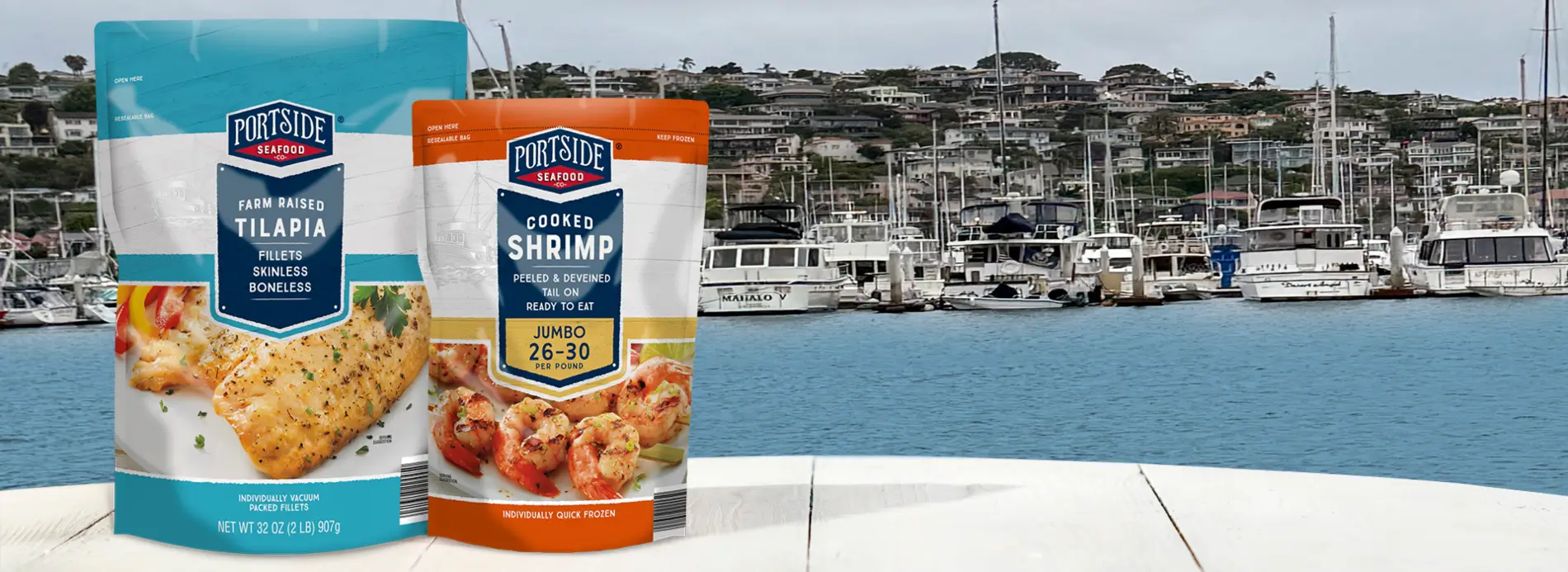
Portside Seafood Co.®
– Portside brings the taste of the sea to your kitchen, with a variety of frozen and canned seafood you can count on. Trusted quality, inspired by the coast.
Vote for your faves!
What’s your favorite Portside Seafood Co.® product?
Save A Lot Recipes.
Did You Know?
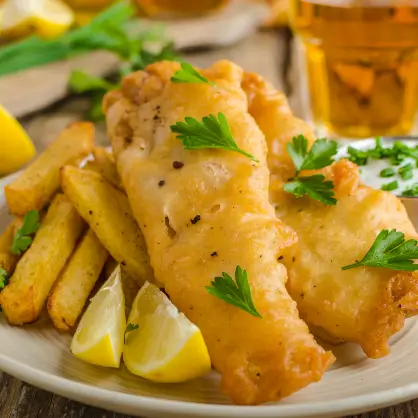
Breaded seafood products became popular in the mid 20th century as a convenient way to prepare fish with a crisp texture and consistent results at home.
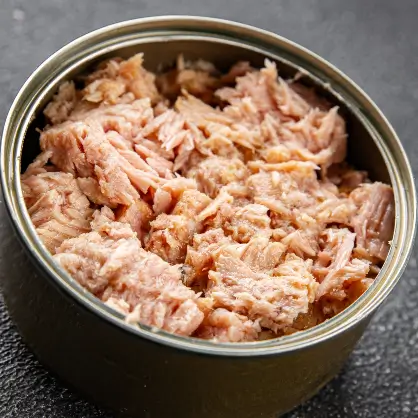
Canned tuna was introduced in the early 1900s as a shelf stable protein option, expanding access to seafood well beyond coastal regions.
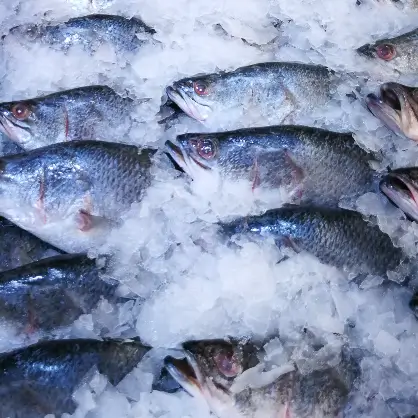
Modern frozen seafood traces back to the 1920s, when quick freezing fresh fish was discovered to preserve taste and texture better than slow freezing. This insight helped shape today’s frozen seafood industry.
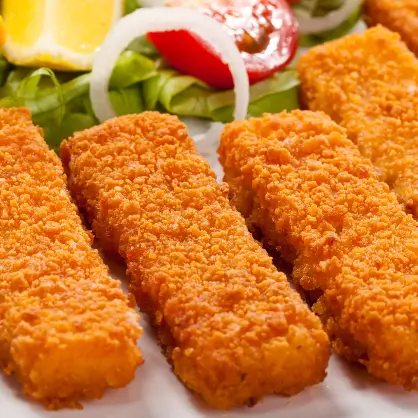
Frozen breaded fish products like fish sticks were created in the 1950s to use up excess fish after advances in fishing technology led to record size catches.
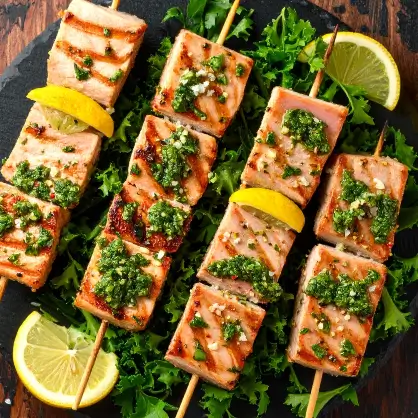
Before canning, tuna was often dismissed as an undesirable catch — until canners discovered that cooking it in cans transformed both its color and flavor, helping it become a pantry staple.
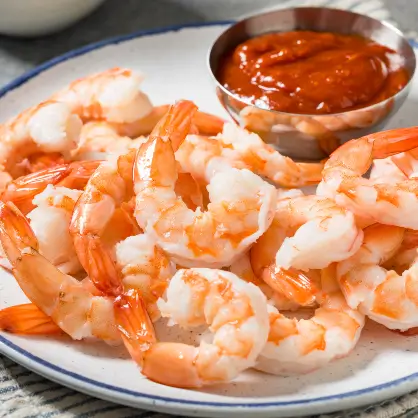
Individually quick frozen (IQF) shrimp were developed in the mid 20th century to prevent seafood from freezing into solid blocks, allowing portions to pour and thaw more easily at home.