


Oliver & Scout®
– From nutritious treats to quality pet care products, Oliver & Scout is dedicated to keeping furry family members happy, healthy, and ready for endless fun.
Vote for your faves!
What’s your pet parent personality?
Dog
Cat
Save A Lot Recipes.
Did You Know?
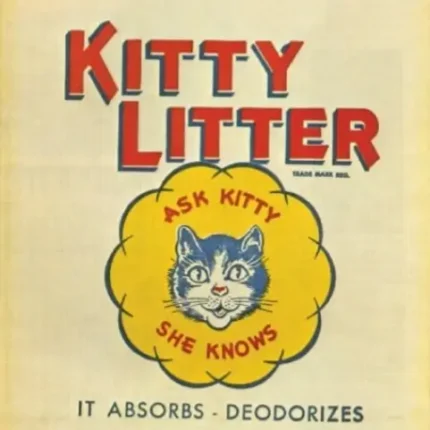
Before the 1940s, people filled litter boxes with sand, dirt, or ashes, but these offered little odor control. That changed in 1947 when Edward Lowe discovered that granulated clay absorbed moisture and odor far better. His new product, “Kitty Litter,” revolutionized indoor cat ownership.
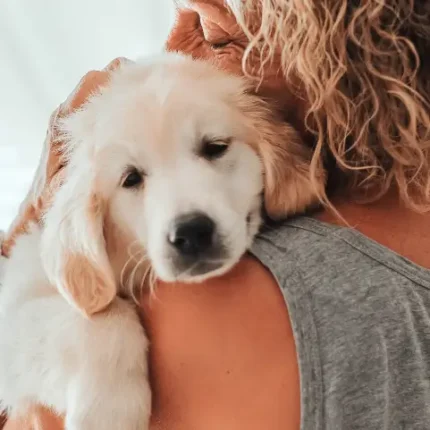
Research shows that dogs can detect chemical changes in human sweat and breath that occur during stress. When exposed to these “stress scents,” dogs often show more cautious or pessimistic behavior, meaning your emotional state can influence their mood purely through smell — even without visual or vocal cues. Their bond with us is literally chemical.
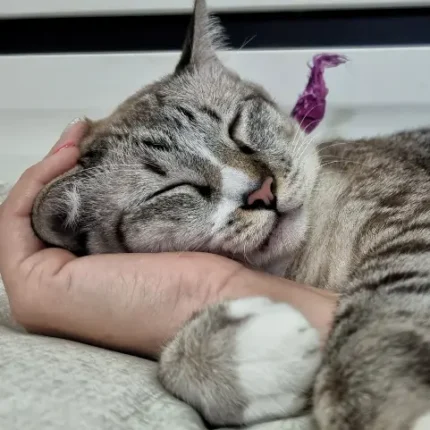
Cats don’t just purr because they’re content. Their purr resonates at low frequencies shown to stimulate tissue regeneration, bone repair, and reduced inflammation. Frequencies between 20–50 Hz in particular are associated with increased bone density, while 100–150 Hz may aid in muscle and tendon healing. It’s why cats sometimes purr when injured or stressed — it’s their built in recovery system.
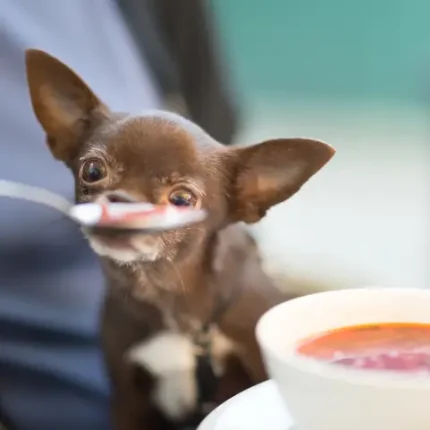
Dogs don’t smell “soup” — they smell every ingredient in the soup. Thanks to up to 300 million olfactory receptors and a specialized airflow system in their noses, dogs can distinguish scent components separately, meaning a bowl of broth smells like meat, carrots, onions, and stock as individual notes. It's one reason their noses are used in medical, safety, and detection work.
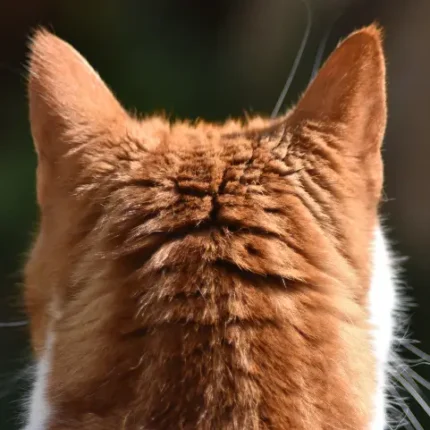
Each of a cat’s ears is powered by 32 individual muscles, allowing incredible independent rotation up to 180 degrees. This finely tuned system lets cats pinpoint even faint sounds and quickly react to prey (or a crinkling treat bag). It’s far more ear control than humans have — we only get six!
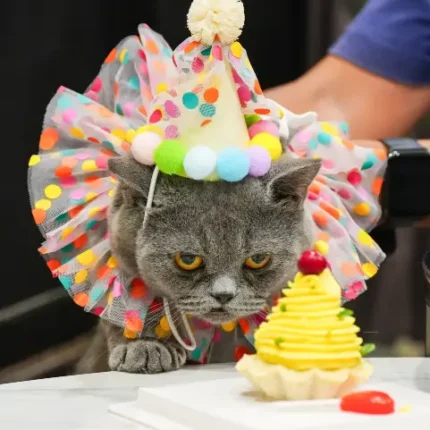
Did you know cats literally can’t taste sweet flavors? Unlike dogs and humans, cats are missing a key part of the sweet taste receptor because their Tas1r2 gene is nonfunctional, the result of an evolutionary shift toward a strictly meat based diet. Dogs, on the other hand, kept their sweet tooth because their omnivorous ancestry benefited from recognizing sugary, high energy foods.