

Kindle®
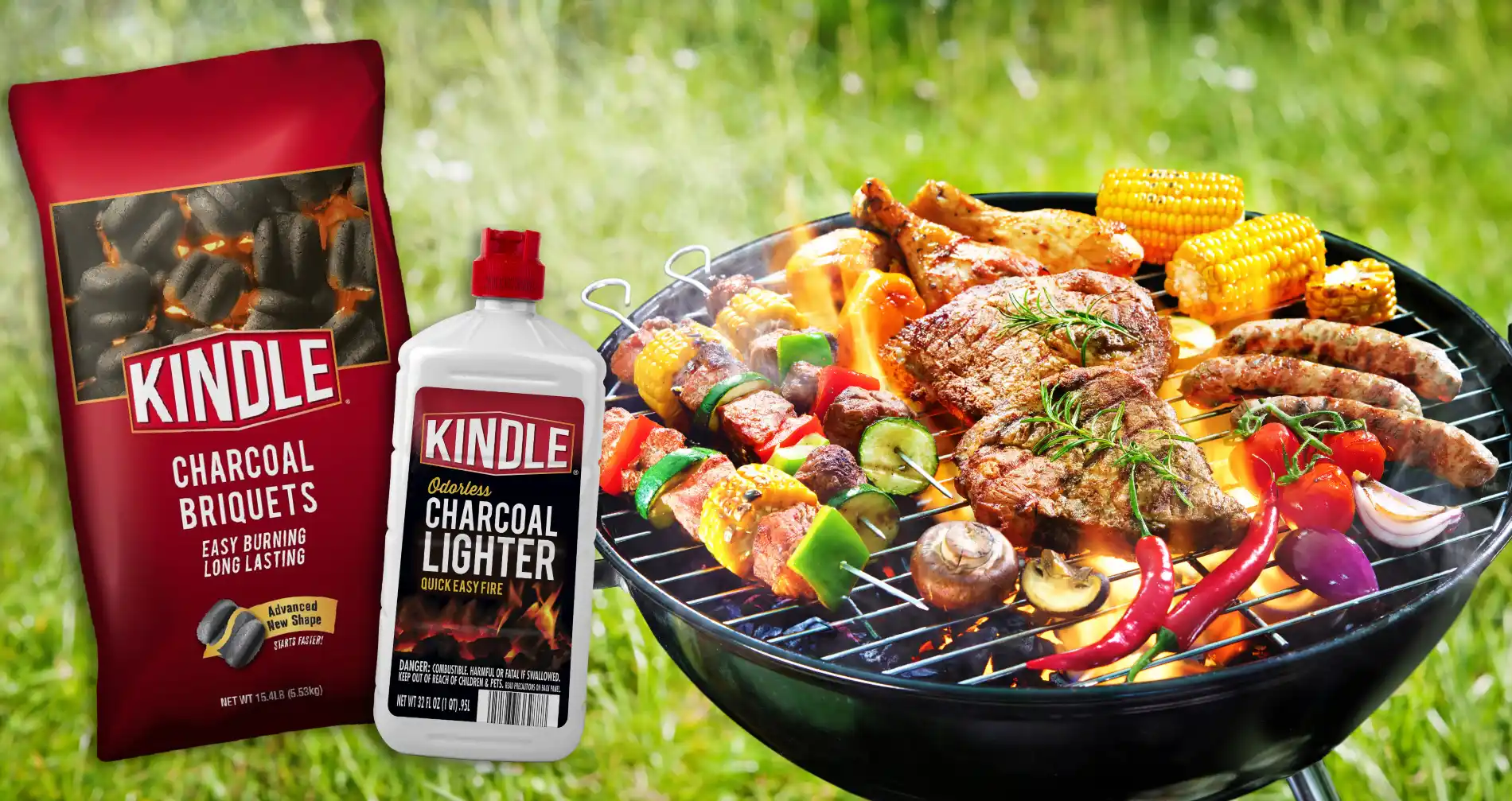
– Spark a passion for grilling with charcoal and lighter fluid from Kindle. From family cookouts to backyard barbeques, ignite the perfect flame and let the good times roll.
Vote for your faves!
What’s your grill master personality?
Save A Lot Recipes.
Did You Know?
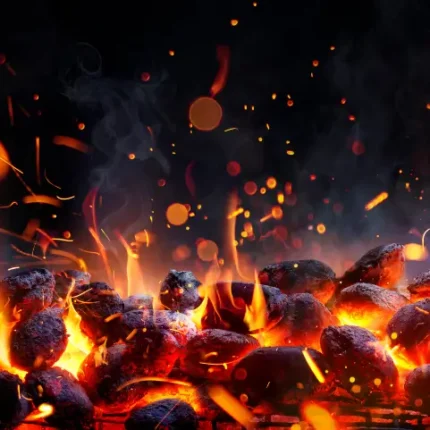
Charcoal burns hotter and longer than regular wood. This is why it’s a go to fuel for grilling—its high carbon content allows it to reach intense, steady heat ideal for cooking.
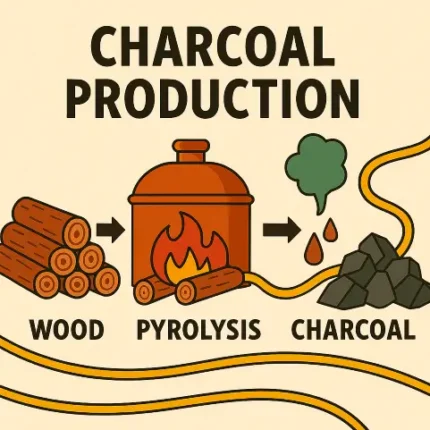
The process of making charcoal is called pyrolysis. Wood is heated without oxygen, leaving behind pure, energy dense carbon perfect for grilling.
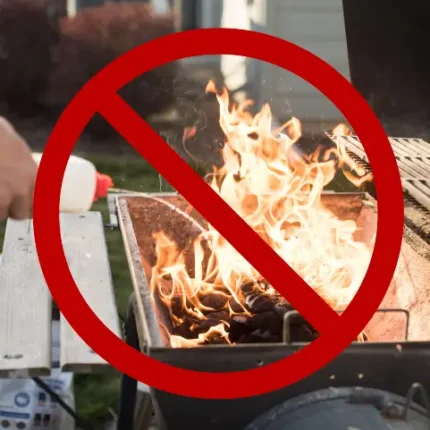
Using lighter fluid safely means never adding more once coals are lit. Grilling safety guidelines emphasize applying lighter fluid only once—before ignition—to prevent flare ups.

Charcoal lighter fluid was once used as fuel for a U.S. military jet engine. A special formulation of charcoal lighter fluid (known as LF 1) was used in the Pratt & Whitney J57 engine that powered the Lockheed U 2 spy aircraft. With added stabilizers, it became a military spec jet fuel called JPTS.
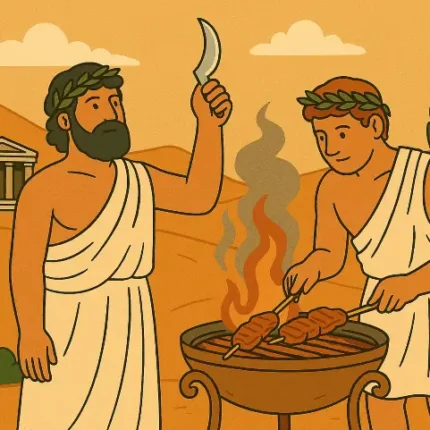
Grilling dates to ancient Greece, where cooking over open flame was a festival tradition. Ancient Greeks grilled meat as part of celebrations, making outdoor cooking a social ritual even thousands of years ago.
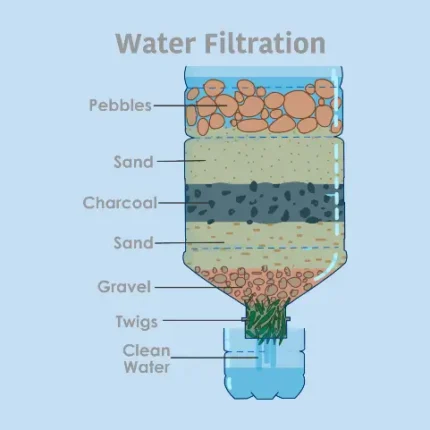
Charcoal isn’t just for grilling — activated charcoal is also used to filter water because it absorbs impurities. Its porous structure traps toxins and particles.