


Boardwalk®
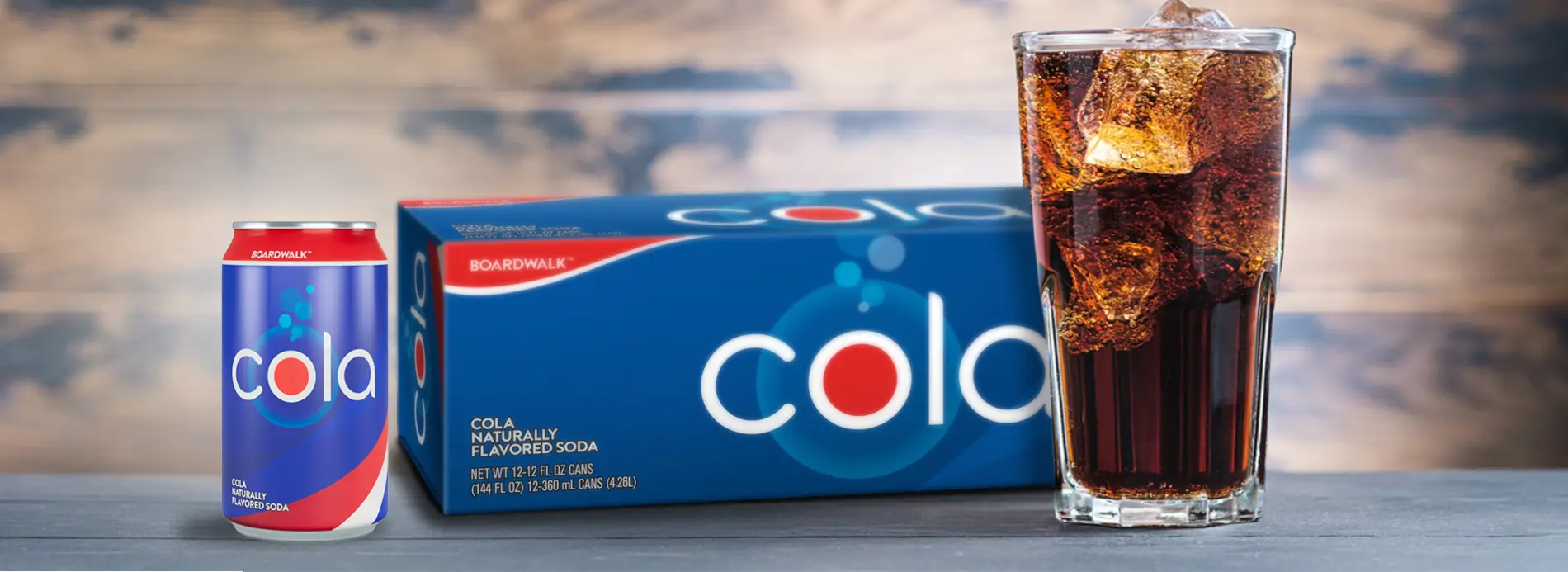
– Boardwalk serves up flavor and refreshment in every pour—whether it’s a fizzy favorite like Tubz, Mountain Holler, or Dr. Pop, or a cool twist like Cold Spell tea. From big bottles to grab-and-go, it’s all about fun, flavor, and variety.
Vote for your faves!
What’s your favorite Boardwalk® product?
Save A Lot Recipes.
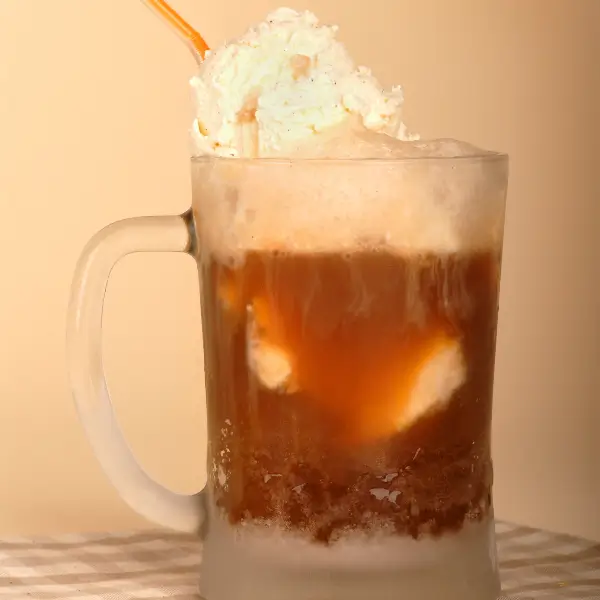
Did You Know?
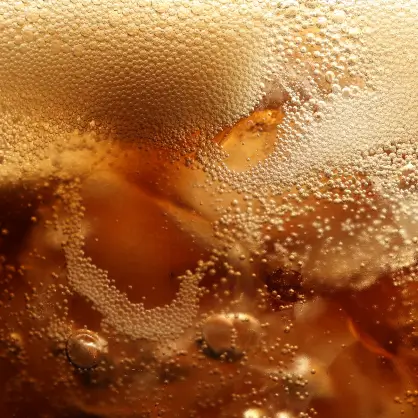
The fizz in soda comes from carbon dioxide gas—the same gas that makes bread rise. Scientists first figured out how to add it to water in the 1700s, creating the earliest sparkling beverages.
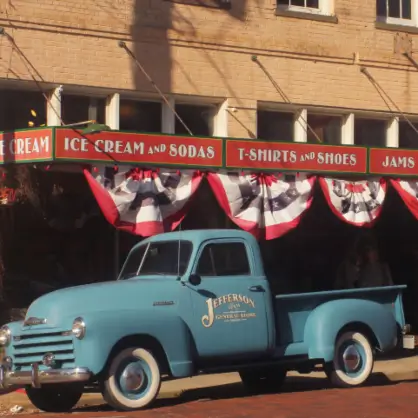
Long before convenience stores and supermarkets, people visited neighborhood soda fountains to enjoy flavored fizzy drinks. By the 1830s, soda fountains were already popping up across the United States.
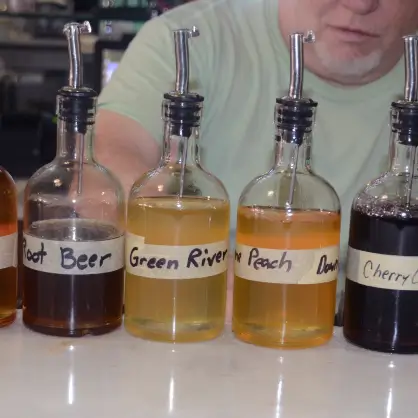
In the early days of flavored sodas, many unique recipes were mixed by hand at soda fountains, making each pharmacy or shop known for its own special drinks.
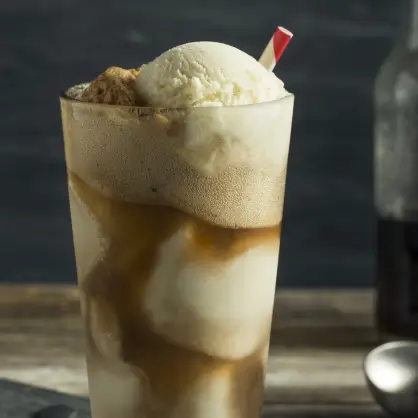
The world's largest gathering of root beer float lovers takes place each year on National Root Beer Float Day, celebrating one of America's most iconic dessert drinks.

Root beer was originally made from the roots of the sassafras tree, giving the drink its name long before modern soft drinks became popular.
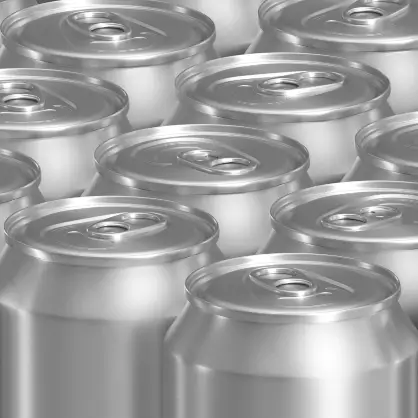
The first aluminum beverage cans didn't appear until the late 1950s. Before then, most soft drinks were sold in glass bottles or at soda fountains.